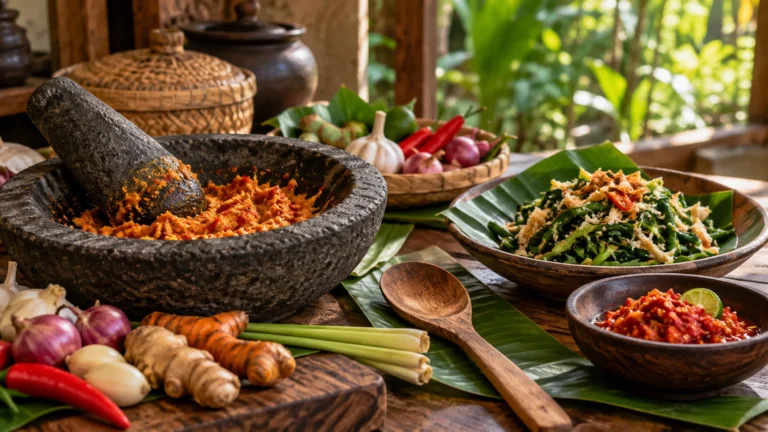
The choice between private and shared cooking is not simply a choice between better and worse. A private ubud cooking class offers attention to one reservation group, while a shared class can add social energy and a chance to meet other travelers. The best format depends on the people, budget, food needs, and purpose of the day.
Use the guide “How to Choose a Private Cooking Class Ubud” for the complete planning process. This comparison focuses on the practical differences that guests can feel during the kitchen experience.
Personal Attention
In a private class, the host can direct explanations toward the group’s questions and experience. Beginners may receive more demonstrations, while confident cooks can discuss technique in greater detail. A shared class divides attention among several reservations.
Shared does not automatically mean impersonal. A skilled host can manage a small public group well. Ask about the maximum class size and number of working stations rather than relying only on the label.
Pace and Flexibility
Private groups usually have more room to pause for questions, photographs, or child breaks. Shared classes must protect the overall schedule, so one guest cannot repeatedly delay the entire group.
Neither format is completely flexible. Ingredients still need timing, safety rules still apply, and the meal must come together. Private pacing means adjustment within a workable structure.
Social Atmosphere
Shared classes appeal to solo travelers and guests who enjoy meeting people. Conversation can add energy, and different questions may broaden the experience. Private classes suit couples, families, and friends who want the activity to stay within their own group.
Consider whether social contact is a benefit or an effort for your group. Shy travelers may relax privately, while an outgoing solo guest may prefer a shared table.
Menu and Dietary Needs
A private booking can make dietary communication more focused, especially when the whole group shares one preference. It may also make mild portions or a vegetarian menu easier to discuss.
Serious allergies remain a separate safety issue. A private group does not guarantee an allergen-free environment. Ask about ingredients, shared surfaces, tools, and what can actually be confirmed.
Children and Mixed-Age Families
Private pacing is often useful for toddlers, children with different attention spans, or families needing breaks. The existing family-focused format comparison explains age, supervision, and task differences.
Older children and teenagers may enjoy a small shared group when they are comfortable following instructions and meeting other travelers. The child’s readiness matters more than a universal rule.
Price and Value
Shared classes sometimes offer a lower price because operating costs are distributed across more guests. Private prices may change with group size, and the per-person amount can decrease as more paying guests join.
Compare inclusions: pickup, market visit, number of dishes, hands-on participation, meal, group size, and personal guidance. The cheapest listing is not automatically the best value for the actual group.
Couples and Special Occasions
Couples often choose privacy for uninterrupted time, photographs, and a shared meal. Birthdays and reunions benefit when the group can keep its own conversation and task flow.
Shared classes may still suit a couple who enjoys social travel and does not need menu adjustments. The occasion alone does not require privacy.
What This Direct Experience Offers
The current private class format states that direct bookings are arranged for the guests in the reservation. That means the decision is less about upgrading from shared to private and more about choosing the market or cooking-only package, group size, and practical needs.
Guests should still confirm availability, price, transport, menu requests, and the number of participants before payment.
Questions to Ask Before Choosing
Ask about maximum group size, number of workstations, task participation, dietary handling, total duration, transport, and whether unrelated guests will join. The article “How to Choose Cooking Class Ubud” provides a broader checklist.
Choose private when your group values control, personal attention, or special food planning. Choose shared when social interaction and a potentially lower price matter more. The right answer is the format that supports the people who will actually attend.
Three questions that make the comparison useful
First, would you rather meet other travelers or spend the experience with only the people you booked with? Neither answer is wrong. Shared classes can be sociable; a private session removes the need to match unrelated guests’ pace and menu expectations.
Second, what does ‘hands-on’ mean in this particular program? One school may divide a multi-dish menu into stations, while another invites guests to follow the preparation of fewer dishes more closely. Read the itinerary and ask which stages you personally handle, rather than ranking classes by dish count alone.
Third, what is the total plan from hotel pickup to the finished meal? A lower listed price may require separate transport or fixed meeting points, and a private booking may have limits around menu changes. Compare the confirmed package, travel arrangements and atmosphere you actually want—not only the headline price or review score.