Morning and afternoon cooking sessions can feel like completely different activities even when the recipes are similar. A morning class may begin with an active local market and cooler travel conditions. An afternoon class can fit around temple visits, hotel check-in, or a relaxed breakfast. The right choice depends on your itinerary, energy, transport, and whether a market tour matters to you.
When choosing a cooking class in Ubud, avoid selecting a time only because it appears first in a booking calendar. Look at the full experience from pickup to return, then decide where it belongs in your day.
Why Market Tours Usually Happen in the Morning
Traditional markets are most useful early, when vendors are active and fresh produce is being selected for the day. A morning visit gives guests a better chance to see the market functioning as part of local life rather than as a quiet stop after the main trade has finished.
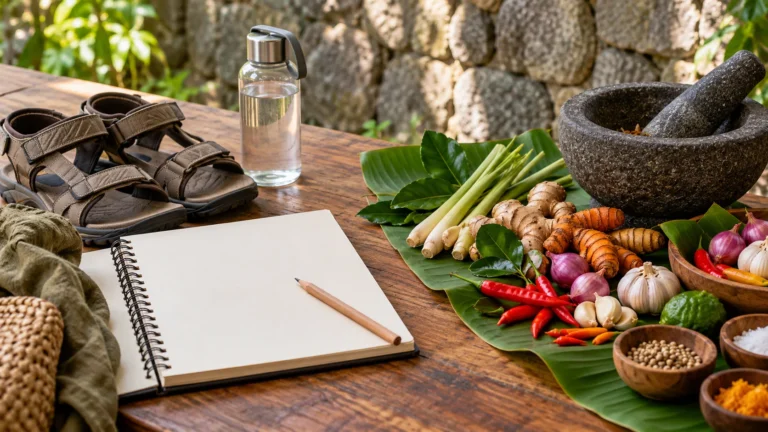
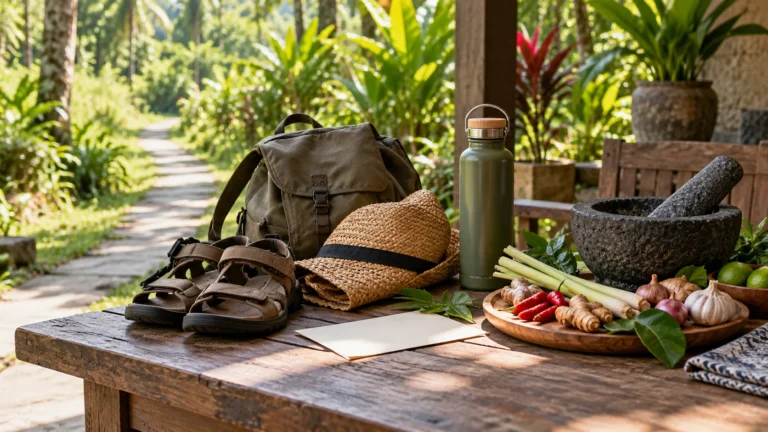
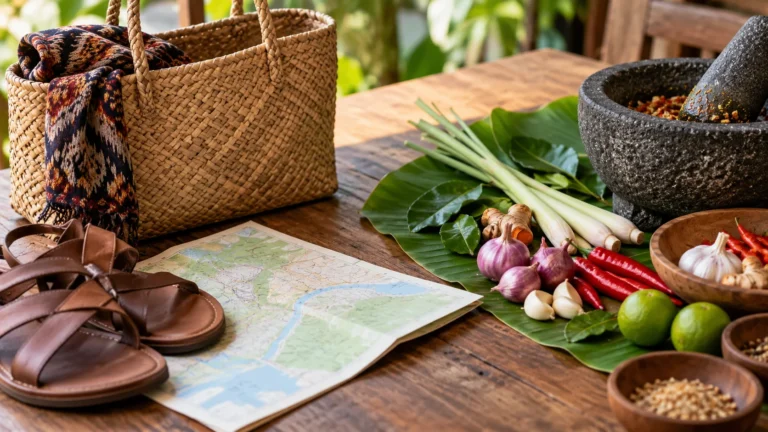
Putu’s market package typically begins with pickup from Ubud around 7:00am, followed by about 30 minutes at Pejeng market. The visit focuses on identifying produce, spices, fruit, and ingredients that connect to the later cooking session. It is not intended as a long shopping excursion.
Travelers who want this context should reserve the morning and read the guide on Ubud market tour cooking class before booking.
Advantages of a Morning Cooking Class
A morning start often feels cooler and more energetic. Guests have not yet spent hours walking in the sun, and the cooking class becomes the main activity rather than something squeezed between other plans. After the meal, there may still be time for a quiet afternoon at the hotel, a spa treatment, or a short local visit.
Morning is also better for travelers whose main interest is food sourcing. The market, ingredients, preparation, and meal follow a natural sequence. For photographers, early activity and softer light can make the market and family compound especially appealing, although respectful permission remains important.
- Best access to a working local market
- Cooler start and fresher energy
- A complete food-focused half day
- Afternoon remains available for rest or a simple activity
Possible Drawbacks of the Morning Session
An early pickup may be difficult after a late arrival, long drive, or evening event. Hotels serving breakfast at a fixed time may require you to request a takeaway breakfast or skip it, although the class meal later is substantial. Families with children should consider the time needed to wake, dress, and reach the meeting point.
Morning traffic and distance also matter. A villa marketed as being in Ubud may be outside the included pickup area, adding travel time and possibly a transport fee. Confirm the exact accommodation before assuming that a 7:00am pickup means leaving the room at 6:55am.
Advantages of an Afternoon Cooking Class
An afternoon class offers a gentler start. You can have breakfast, visit a nearby temple or museum, check out of one hotel, or travel from another part of Bali before cooking. It may work better for children who dislike early mornings and for travelers who prefer not to begin a holiday activity before sunrise.
A direct cooking-class-and-meal format is particularly suitable because it skips the market and begins at Putu’s family home. Guests still prepare five dishes, learn about ingredients, and eat together. The cooking class and meal option is therefore the more flexible choice when the market is not essential.
Possible Drawbacks of the Afternoon Session
The local market will not offer the same early-morning atmosphere, which is why Putu’s market package is not treated as an afternoon activity. Afternoon plans can also be affected by an earlier tour running late, hotel transfers, or heavy traffic. If the class begins later, the shared meal may become an early dinner rather than lunch.
Do not schedule a sunset tour or dinner reservation immediately afterward. Cooking pace, conversation, photographs, traffic, and the meal can all extend the finish. A class should feel relaxed, not like a race to the next driver.
Weather and Seasonal Comfort
Bali’s weather can change quickly. Morning often feels cooler, while afternoon heat and humidity may be stronger. Rain can occur in either session. A covered kitchen allows cooking to continue, but walking through a market or moving around a family compound can feel different in heavy rain.
Wear light clothing, secure shoes, and carry a compact umbrella or rain layer when conditions look uncertain. Avoid clothing with loose sleeves near heat or flames. Weather should influence comfort planning, but it does not need to determine the entire decision.
Which Time Is Better for Families?
The best family session depends more on the child than on a universal age rule. Some children are cheerful early and enjoy the colors and activity of a market. Others become overwhelmed by crowds, unfamiliar smells, or a long morning before cooking even begins. A direct class can preserve their attention for the kitchen.
Parents should consider nap times, breakfast, motion sickness, food preferences, and the child’s ability to follow safety instructions. The guide to cooking class Ubud with kids explains supervision and suitable tasks in more detail.
An afternoon market request needs its own confirmation
An afternoon market visit should not be sold as the same experience as a morning produce market. Some stalls may have finished trading, while different areas can become lively later with snacks, prepared food, and evening activity. That can be interesting in its own right, but it is a different kind of visit and depends on the day and location.
If you particularly want street food or late-day market atmosphere, ask Putu whether an appropriate route can be arranged for your date before reserving. Do not assume an afternoon market visit is automatically included in the cooking-only package, or that a specific vendor will be open. If choosing spices and fresh ingredients with the host is your main goal, the regular morning market format is the clearer choice.
How the Session Affects Your Ubud Itinerary
A morning market class should be treated as the main activity for that part of the day. Avoid booking a sunrise trek the same morning or an important transfer immediately afterward. An afternoon class works well after a calm morning, but it is not ideal after a long excursion from North Bali or the coast if traffic could make you late.
The Ubud cooking class guide helps you compare total duration, transport, prices, and package structure before placing the class within a larger itinerary.
Simple Decision Guide
| Choose morning when… | Choose afternoon or flexible class when… |
|---|---|
| You want the Pejeng market visit | You prefer to skip the market |
| You enjoy early starts | Your family needs a slower morning |
| The class is your main daytime activity | You have a light morning plan or hotel transfer |
| You want lunch after cooking | You are comfortable with a later meal |
For Putu’s direct experience, choose the market package when the morning market is central to your interest. Choose the cooking-class-and-meal package when flexibility and kitchen time matter more. Share your preferred date and accommodation before building the rest of the day around an unconfirmed session.