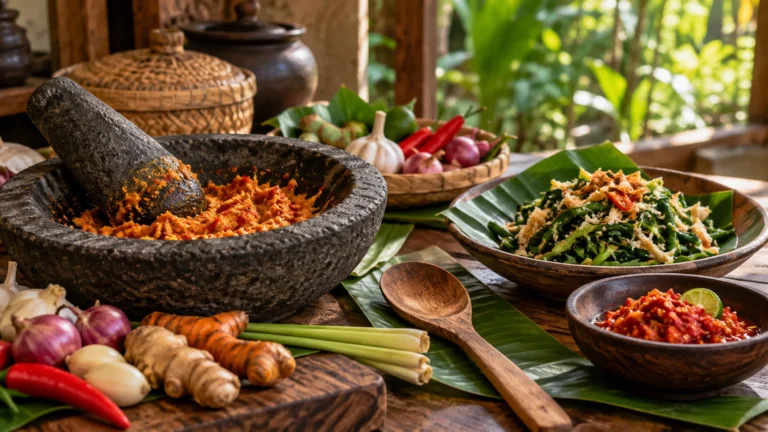
A private class is attractive because it turns cooking into a shared experience for the people you already know. Couples can work side by side, families can divide tasks by age, and friends can ask questions without worrying about holding up strangers. The right ubud cooking class should feel personal without becoming vague: guests still need a clear package, confirmed timing, a realistic menu, and written arrangements for transport or dietary requests.
In Putu’s direct experience, the reservation is arranged for the guest’s own booking group. The class can follow either a market-tour package or a cooking-and-meal package, and the pace can be discussed in advance. That private format is valuable, but it does not mean every request is automatically possible. Seasonal ingredients, kitchen safety, group size, dietary restrictions, and the day’s schedule still shape what can be confirmed.
This guide explains how to compare private cooking options near Ubud, decide whether the format suits your group, and prepare a booking message that produces a useful answer. It also covers couples, honeymoons, birthdays, mixed dietary needs, pickup planning, and the practical difference between private and shared classes.
What “Private” Should Mean in a Cooking Class
A private class should reserve the experience for your booking group rather than adding unrelated guests. That usually creates more room for questions, photographs, menu discussion, and a pace that matches the group. It does not automatically mean unlimited customization, an open-ended schedule, or exclusive use of every area in a family compound. Our comparison guide “Private vs Shared Cooking Class Ubud” helps separate genuine format differences from assumptions.
Ask who will be present, whether another activity is happening nearby, how many cooking stations are available, and which parts of the program are fixed. Clear answers make it easier to judge whether the experience is suitable for a quiet couple, an energetic family, or a larger group of friends.
Who Benefits Most from a Private Format
Couples often value uninterrupted time, shared tasks, and the chance to learn at the same pace. Our article “Private Cooking Class Ubud for Couples” explains how a class can feel connected without needing staged romance or complicated extras. A honeymoon can add another reason to choose privacy, especially when the couple wants an activity that becomes part of the trip rather than another reservation at a restaurant.
Small groups benefit when people have different confidence levels. One guest may enjoy grinding spices while another prefers chopping, grilling, or plating. Our guide “Small Group Cooking Class Ubud” shows how personal guidance can prevent one confident cook from taking over every task. Families can also benefit from private pacing when children need simpler jobs or breaks, as discussed in the existing family cooking class guide.
Couples, Honeymoons, and Meaningful Shared Time
A cooking class works well for couples because the activity has a natural rhythm: choosing ingredients, preparing components, tasting, adjusting, and sharing the meal. It gives the pair something to do together instead of requiring constant conversation. For travelers planning a special trip, the guide “Ubud Honeymoon Cooking Class” explains how to choose timing, photographs, menu requests, and transport without assuming decorations or gifts are included.
The most memorable details are often simple. Grinding a spice paste together, learning why one aromatic is bruised rather than chopped, or serving a dish that both guests prepared can create a stronger memory than a heavily staged activity. Couples should focus on the quality of participation and the comfort of the schedule.
Using a Private Class for a Birthday or Celebration
A birthday, anniversary, reunion, or family milestone can fit naturally around a private session, but the celebration details must be confirmed separately. Our article “Birthday Cooking Class Ubud” covers guest numbers, timing, cakes, decorations, dietary needs, photographs, and the difference between a cooking package and an event service.
Do not assume that a kitchen can store a large cake, provide candles, change the entire menu, or extend the experience because the group is celebrating. A practical message should identify the occasion, the requested detail, and whether the group is bringing anything from outside. The host can then explain what is realistic.
Choosing Between Market Tour and Cooking-Only Packages
A market tour adds ingredient context, an earlier start, walking, and more total time. It can be excellent for guests who want to understand produce, spices, and daily shopping before cooking. A cooking-only package is simpler for couples who want a slower morning, families managing children, or groups with limited time. Review the market tour cooking class details before deciding.
The best package depends on energy and purpose rather than prestige. A market visit is not automatically better if the group dislikes early starts or already has a full itinerary. Likewise, skipping the market does not make the cooking less meaningful when the host explains the ingredients clearly at the kitchen.
How Pace and Guidance Change the Experience
Private guidance should make the class easier to follow, not turn it into a demonstration where guests barely participate. Ask whether the host demonstrates each technique, how tasks are divided, and whether the group can pause for clarification. Our guide “Private Cooking Class Pace and Guidance Ubud” explains what beginners, confident home cooks, older guests, and families can reasonably expect.
A relaxed pace still needs structure. Ingredients may have to enter a pan at a certain time, rice and sauces must coordinate, and the meal cannot wait indefinitely. The advantage is that explanations and task assignments can be adjusted within that structure.
What Menu Flexibility Really Means
Menu flexibility may include adjusting chili, choosing vegetarian preparations, avoiding a disliked ingredient when practical, or selecting from dishes that fit the day’s produce. It rarely means that every guest can design a completely different menu. Our article “Custom Menu Cooking Class Ubud” explains how seasonal availability, shared preparation, cooking time, and ingredient function affect substitutions.
The class currently describes five Balinese dishes, with the exact menu able to vary according to ingredients and confirmed dietary requirements. Guests should ask what is fixed, what can change, and when the final menu is agreed. Written confirmation prevents a general preference from being mistaken for a guaranteed substitution.
Dietary Requirements and Allergy Communication
Private booking creates a better conversation about food needs, but privacy alone does not remove allergy risk. Guests should name the exact allergen, the seriousness of the reaction, ingredients to avoid, and any concern about shared tools or surfaces. The guide “Private Cooking Class Dietary Requirements Ubud” separates vegetarian requests, preferences, intolerances, and medically serious allergies.
Our article “Dietary Requirements Cooking Class Ubud” is useful before sending a request. A host can only confirm what can reasonably be accommodated after understanding the complete restriction. When the answer is uncertain, the safest choice is not to rely on a vague promise.
Transport and Pickup Planning
Round-trip transport from accommodation in Ubud is included for this direct experience, while locations outside Ubud require a separate quote after the hotel or villa is shared. Our guide “Private Cooking Class Ubud Transport” covers pickup points, early market departures, delays, return timing, villas with difficult access, and information families may need to confirm.
Transport should be settled before payment because the location can affect the final total and the workable start time. Send the exact accommodation name and area rather than only saying “near Ubud.” If the group changes hotels, update the host before the class.
How to Book Without Unnecessary Back-and-Forth
A complete booking request should include the preferred date, package, number of adults and children, accommodation, dietary requirements, allergies, ingredients to avoid, spice preference, and any celebration request. The guide “How to Book Private Cooking Class Ubud” explains what must be confirmed before treating the date as secured.
Review the direct booking terms for confirmation, payment, cancellation, date changes, late arrival, safety, and guest responsibilities. A request is not the same as a confirmed booking. Keep the final written message so everyone can refer to the same date, package, guest count, transport plan, price, and restrictions.
Understanding Price and Value for a Private Group
Private value is not measured only by the lowest price per person. Consider whether the package includes pickup, a market visit, the number of dishes, hands-on participation, the meal, recipe guidance, and enough personal attention for the group. Group-size pricing can also change the per-person amount, so compare the total for the actual number of guests rather than a headline figure.
The current private cooking class details publish separate group-size prices for the market package and the cooking-and-meal package. Confirm the final price after sharing the exact group composition and accommodation, particularly when children, infants, transport outside Ubud, or optional additions are involved.
A Practical Comparison Checklist
Group format
Confirm that only your reservation group will join and ask how many guests can participate comfortably. A technically private booking can still feel crowded if the kitchen station is too small for the group.
Participation
Ask what guests actually prepare, which techniques are demonstrated, and how tasks are shared. A long menu is less valuable when most of the work is completed before arrival.
Menu and restrictions
List vegetarian needs, allergens, ingredients to avoid, and spice preferences in one message. Ask what can be confirmed rather than assuming privacy guarantees customization.
Timing and transport
Clarify pickup time, total duration, meal time, and expected return. Our article “How Long Cooking Class Ubud” helps prevent another activity from being scheduled too close to the class.
Final Perspective
A private class is most successful when the group knows what is included and the host knows what the group needs. Privacy creates room for attention, questions, and flexible pacing, but clarity creates trust. The strongest booking is specific about guests, package, menu concerns, transport, timing, and any special occasion.
Choose the format that suits the people in the group rather than the one that sounds most exclusive. When the pace, participation, food, and logistics fit, a private cooking class becomes a shared meal with a story behind every dish.
Choose the private format around your actual group
A couple choosing a quiet shared activity and a family with three generations may both prefer a private class, but they need different arrangements. Start with who wants to cook, who may need to sit down, and whether the group values a market visit more than an unhurried kitchen session. Those details are more useful to a host than simply asking for the ‘best’ option.
For Putu’s experience, the practical distinction is between having the cooking session on its own and including a market visit. Ask for the day’s confirmed sequence, pickup location, planned dishes, and any dietary adjustments before paying. Private means the session is arranged for your booking group; it does not remove the need to agree on timing, food safety, or feasible menu changes.
A good booking confirmation leaves both sides with the same picture of the day. You should know what you will make, where you will be collected, when you can reasonably plan your next activity, and which special requests have actually been accepted. That clarity is what turns a private booking into a relaxed experience rather than a series of last-minute negotiations.